

Data-Driven Approaches for Understanding and Advancing Urban Cycling

How can data help shape the future of cycling in our cities? PhD students Silke Kaiser and Carol Sobral, together with Professor Lynn Kaack at the Hertie School in Berlin, brought together researchers, policymakers and advocates for a workshop as part of the CATALYSE...

Working towards a Smart Net-Zero Healthcare System: Launch of “Climate Change Mitigation in the Catalan Health System” Report

How can we close the knowledge-to-action gap to accelerate climate change action & protect public health? This is one of the main questions the CATALYSE project is seeking to answer. To advance this objective, the UNESCO Chair in Life Cycle and Climate Change...

CATALYSE case study on the role of ‘health’ in Polish coal phase out discussions

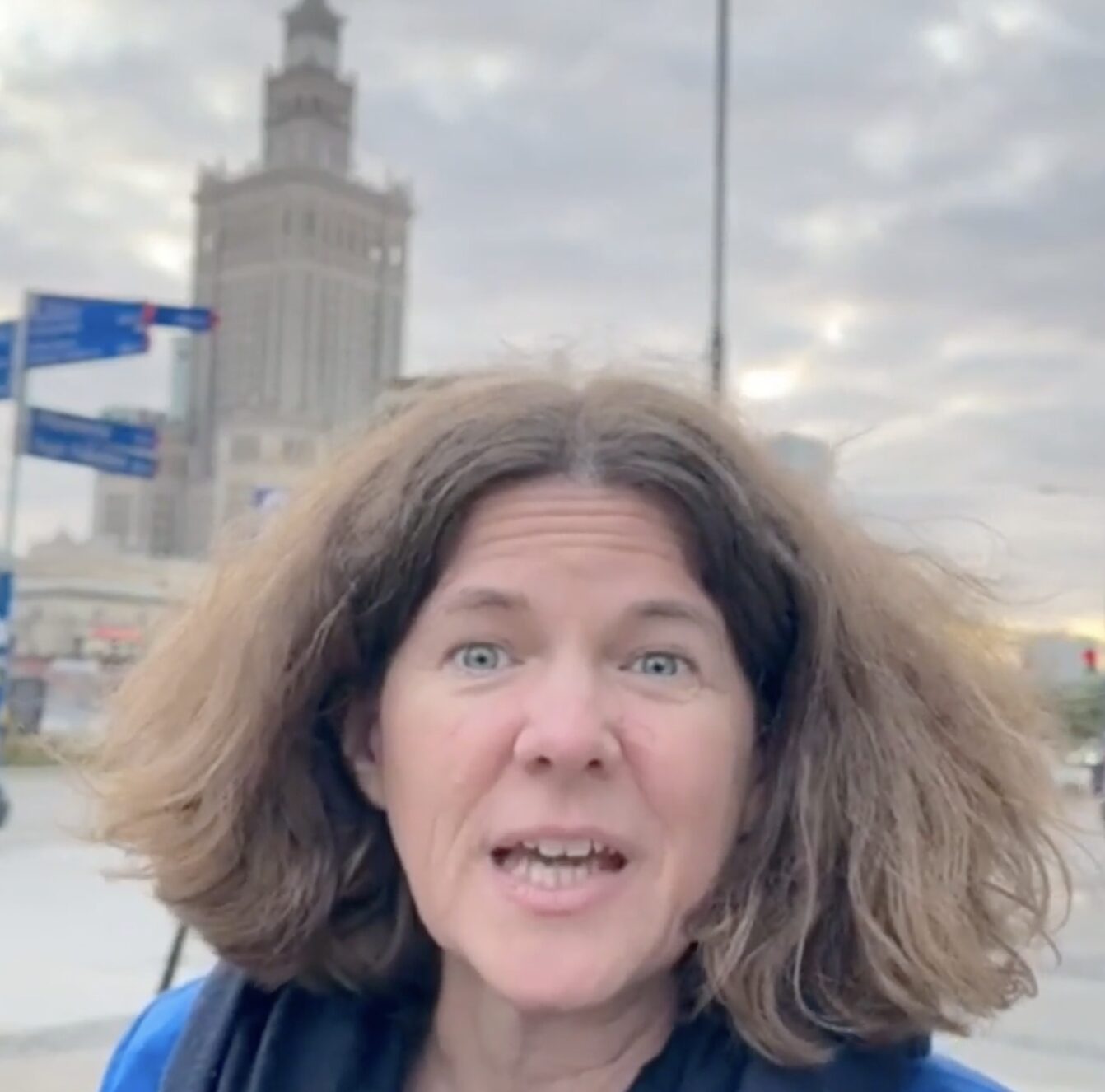
HEAL‘s Deputy Director, Anne Stauffer, discusses the health impacts of coal burning in Poland, and the current efforts being made to phase out usage:   [video width="1080" height="1440"...

From Awareness to Action: Communicating Climate–Health Resilience in a Changing Climate

TRIGGER’s Educational Materials: Co-creating Knowledge for Impact   The communication, dissemination and exploitation of TRIGGER’s results are designed to adapt to the needs of each user. This flexibility is both a strength and a challenge in the current climate...

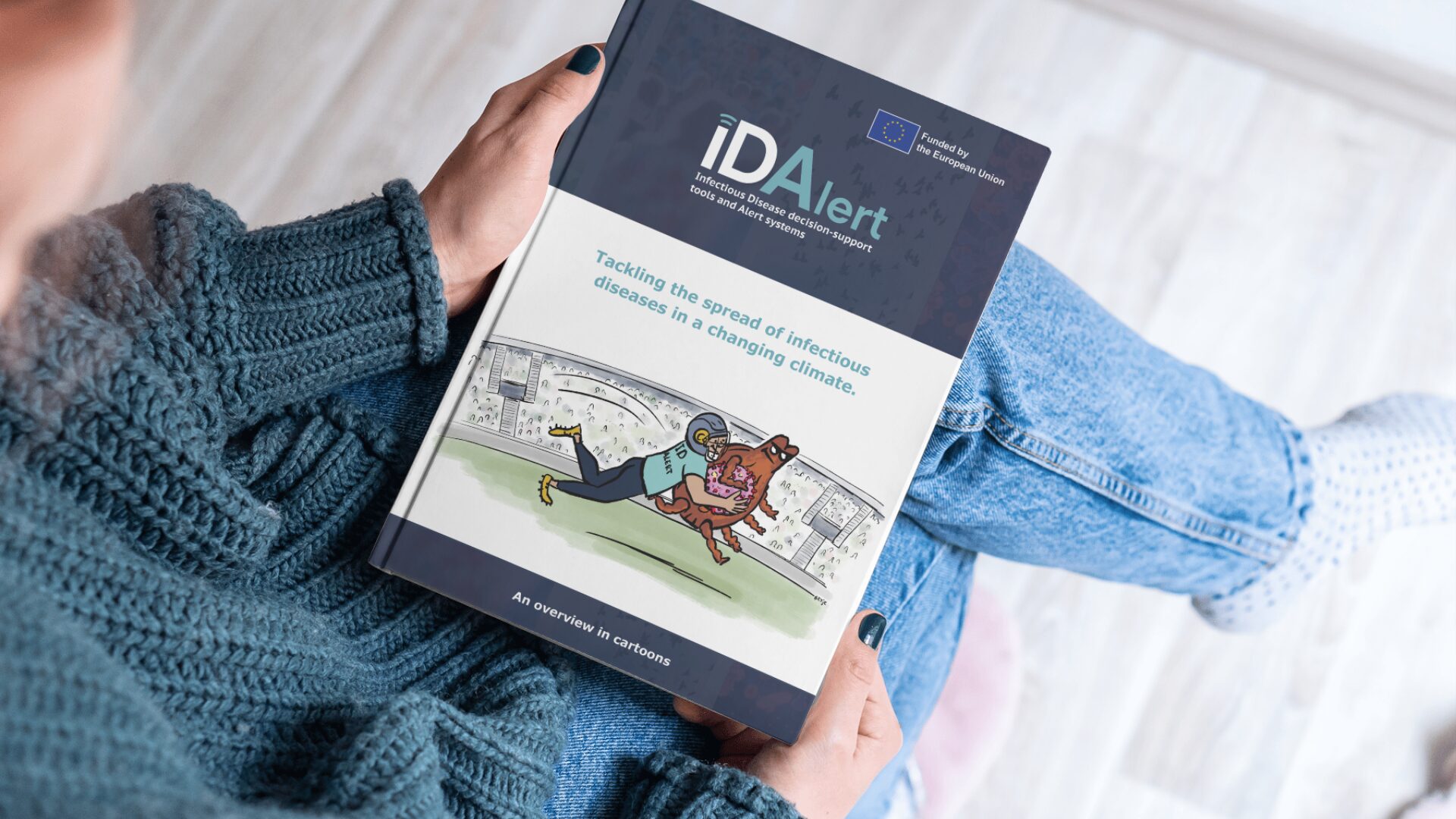
We made a cartoon book about infectious diseases. Here’s why.

We made a cartoon book about infectious diseases. Here’s why. Climate change isn’t just about rising or receding seas and extreme weather. It’s also changing which diseases can reach us and where. As Europe gets warmer, mosquitoes, ticks, and sandflies are spreading...

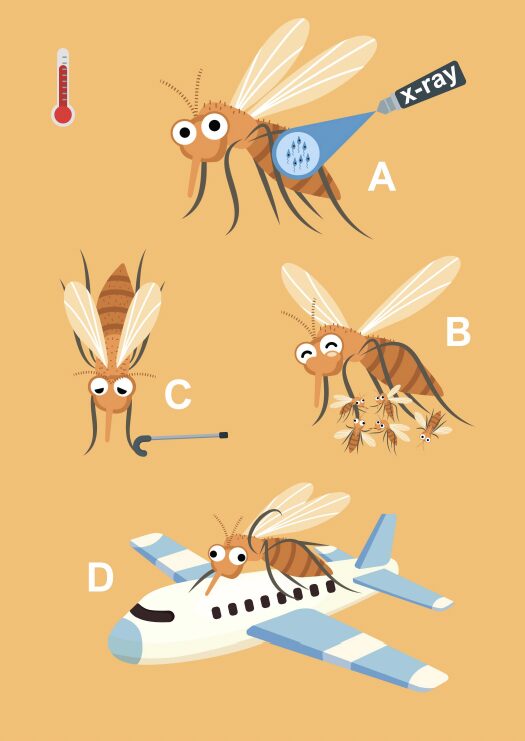
Sand Flies: A Dangerous Insect on a Changing Planet

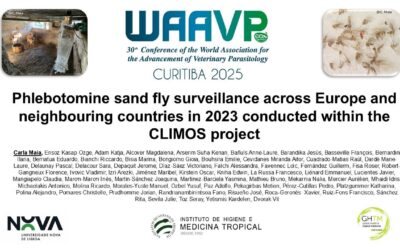
Sand Flies: A Dangerous Insect on a Changing Planet An article for Frontiers for Young Minds     The CLIMOS project, as part of the European Climate-Health Cluster, has contributed to an article about sand flies published in Frontiers for Young Minds. This...

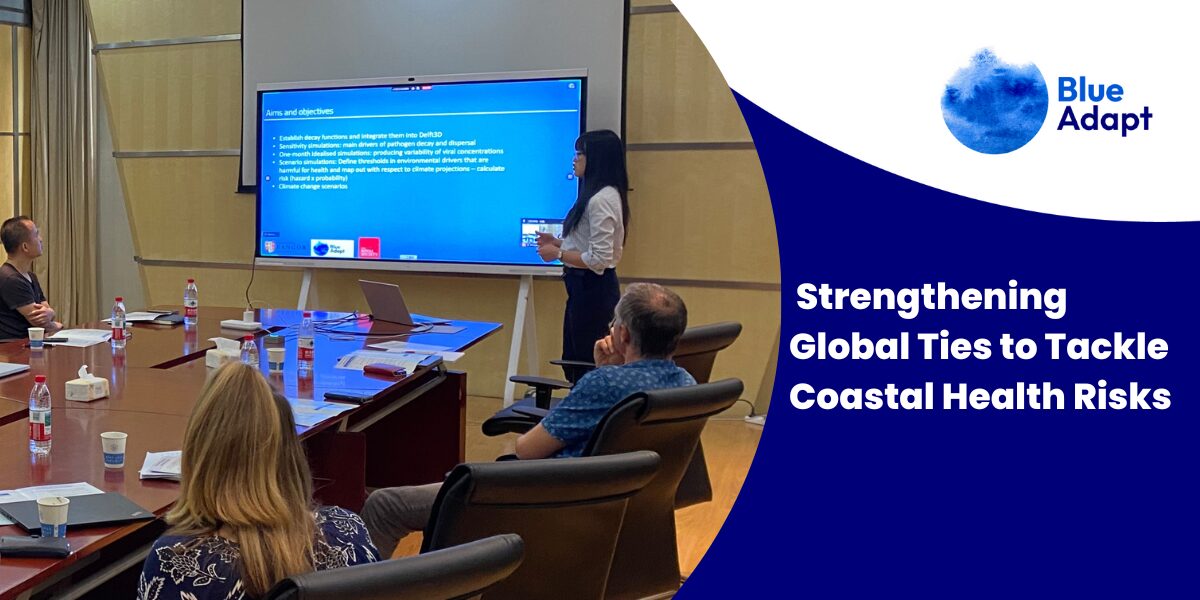
Strengthening Global Ties to Tackle Coastal Health Risks

As a leading scientific partner in BlueAdapt, Bangor University contributes essential expertise on how climate change is transforming coastal environments — and what this means for public health. This year, a team from Bangor travelled to China to participate in an...

New model improves accuracy for safer bathing waters

A powerful tool for predicting risks A new study led by BlueAdapt researcher Hao Wang (Deltares, Netherlands) shows that accounting for sunlight exposure and sediment interactions significantly improves predictions of harmful contamination in bathing waters. The...

Uncoping: Insights from urban heat exposure during and after pregnancy

By Martins Iyekekpolor   It’s hot. The weather forecast says 34°C, but in the densely populated urban township of Mamelodi in the Tshwane District of South Africa, it feels even hotter. There are few trees, almost no shade, and the sun presses down on corrugated...

The Second Edition of the European Climate and Health Cluster Newsletter

We are excited to share the second edition of the European Climate and Health Cluster Newsletter, highlighting how our projects are advancing the science on climate and health, strengthening collaboration with policymakers, and turning research into meaningful action....
Data-Driven Approaches for Understanding and Advancing Urban Cycling

How can data help shape the future of cycling in our cities? PhD students Silke Kaiser and Carol Sobral, together with Professor Lynn Kaack at the Hertie School in Berlin, brought together researchers, policymakers and advocates for a workshop as part of the CATALYSE...

Working towards a Smart Net-Zero Healthcare System: Launch of “Climate Change Mitigation in the Catalan Health System” Report

How can we close the knowledge-to-action gap to accelerate climate change action & protect public health? This is one of the main questions the CATALYSE project is seeking to answer. To advance this objective, the UNESCO Chair in Life Cycle and Climate Change...

CATALYSE case study on the role of ‘health’ in Polish coal phase out discussions

HEAL‘s Deputy Director, Anne Stauffer, discusses the health impacts of coal burning in Poland, and the current efforts being made to phase out usage:   [video width="1080" height="1440"...

From Awareness to Action: Communicating Climate–Health Resilience in a Changing Climate

TRIGGER’s Educational Materials: Co-creating Knowledge for Impact   The communication, dissemination and exploitation of TRIGGER’s results are designed to adapt to the needs of each user. This flexibility is both a strength and a challenge in the current climate...

We made a cartoon book about infectious diseases. Here’s why.

We made a cartoon book about infectious diseases. Here’s why. Climate change isn’t just about rising or receding seas and extreme weather. It’s also changing which diseases can reach us and where. As Europe gets warmer, mosquitoes, ticks, and sandflies are spreading...

Sand Flies: A Dangerous Insect on a Changing Planet

Sand Flies: A Dangerous Insect on a Changing Planet An article for Frontiers for Young Minds     The CLIMOS project, as part of the European Climate-Health Cluster, has contributed to an article about sand flies published in Frontiers for Young Minds. This...

Strengthening Global Ties to Tackle Coastal Health Risks

As a leading scientific partner in BlueAdapt, Bangor University contributes essential expertise on how climate change is transforming coastal environments — and what this means for public health. This year, a team from Bangor travelled to China to participate in an...

New model improves accuracy for safer bathing waters

A powerful tool for predicting risks A new study led by BlueAdapt researcher Hao Wang (Deltares, Netherlands) shows that accounting for sunlight exposure and sediment interactions significantly improves predictions of harmful contamination in bathing waters. The...

Uncoping: Insights from urban heat exposure during and after pregnancy

By Martins Iyekekpolor   It’s hot. The weather forecast says 34°C, but in the densely populated urban township of Mamelodi in the Tshwane District of South Africa, it feels even hotter. There are few trees, almost no shade, and the sun presses down on corrugated...

The Second Edition of the European Climate and Health Cluster Newsletter

We are excited to share the second edition of the European Climate and Health Cluster Newsletter, highlighting how our projects are advancing the science on climate and health, strengthening collaboration with policymakers, and turning research into meaningful action....
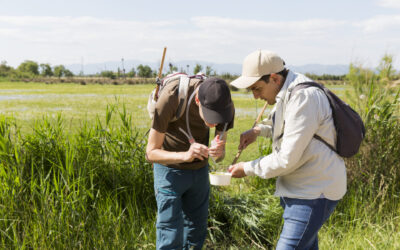
Sweating in Silence: Heat & Health workers

Sweating in Silence: Heat & Health workers

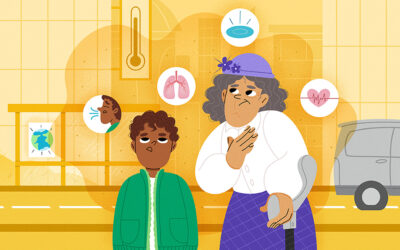
“Physically, with all the sweating, after some time, maybe afternoon, I feel as if I’m smelling. I have that smell. I wish I can just go and have a shower, but I can’t because I’m still at work.“Health Worker 1 For many health workers in South Africa, heat isn’t just...
read more
Protecting health in a changing climate

Protecting health in a changing climate

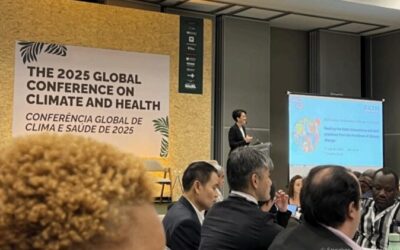
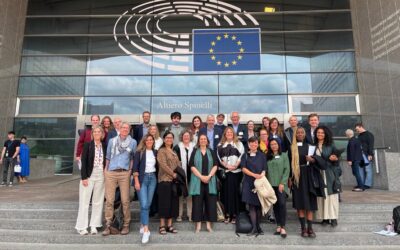
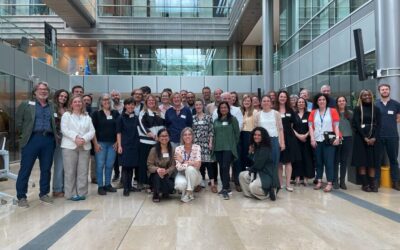
On 3 June 2025, the European Climate-Health Cluster organised an event at the European Parliament in Brussels, titled Protecting Health in a Changing Climate. Bringing together leading researchers and decision-makers, the event aimed to share and disseminate the...
read more
Privacy Overview

This website uses cookies so that we can provide you with the best user experience possible. Cookie information is stored in your browser and performs functions such as recognising you when you return to our website and helping our team to understand which sections of the website you find most interesting and useful.