
Viruses and bacteria travel on wet wipes and microplastics into coastal waters
Contact: Dr Jessica Kevill: j.kevill@bangor.ac.uk | Bangor University Microplastics are often discussed as a pollution issue. But new research led by Dr Jessica Kevill and colleagues at Bangor University reveals a less visible risk: their ability to transport harmful...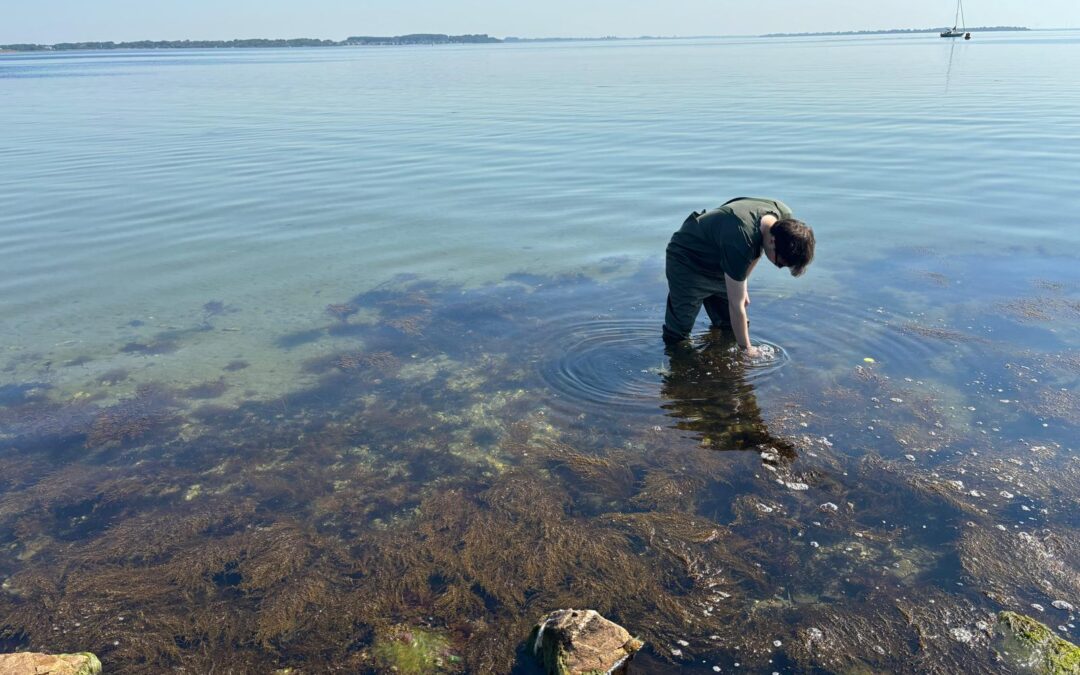
Staying safe in a changing ocean
Understanding waterborne infections Every summer, millions of people swim in coastal waters, but how many stop to think about what’s in them? Before BlueAdapt launches its new facts series, they explain what coastal pathogens are, where they lurk, how they impact our...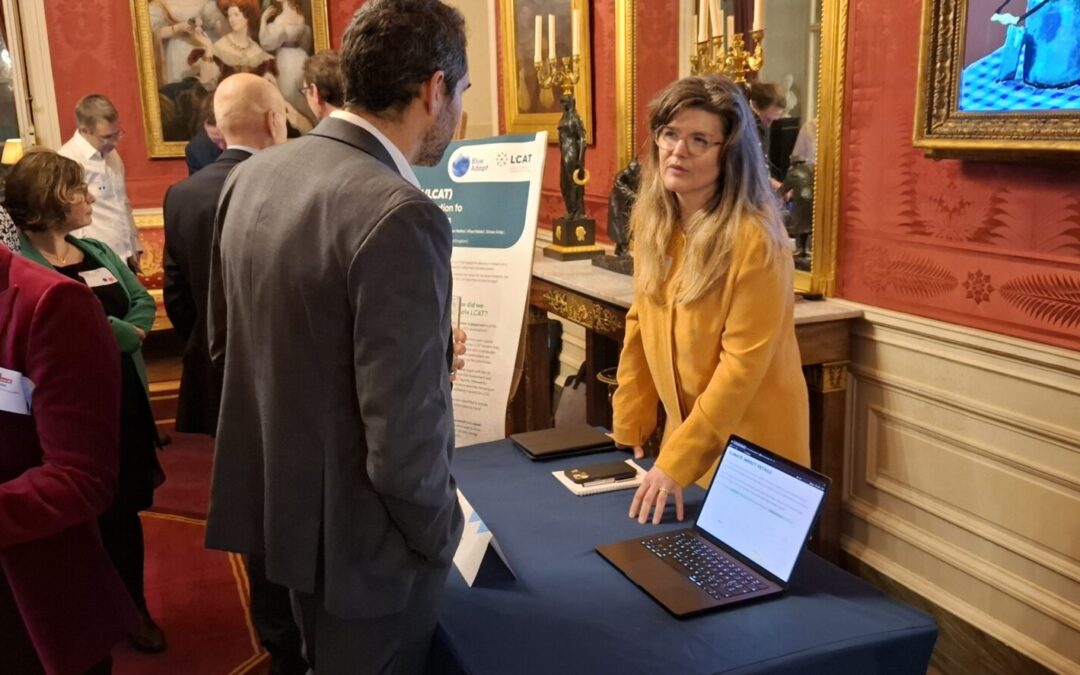
Advancing climate adaption through curiosity and connection
BlueAdapt asked Research Fellow Helen Underhill to share highlights from the team’s recent visit to Paris for the British Council’s Study UK Alumni Awards. Here’s her story: Over the past few years, the Local Climate Adaptation Tool (LCAT) has steadily grown from a...
Antimicrobial Resistance, Climate Change, and Vulnerability
A structured look at the complex, poorly understood intersections between climate change, antimicrobial resistance, and the most vulnerable communities. More than a medical problem While antibiotics have saved hundreds of millions of lives, their extensive misuse over...