

Antimicrobial Resistance, Climate Change, and Vulnerability

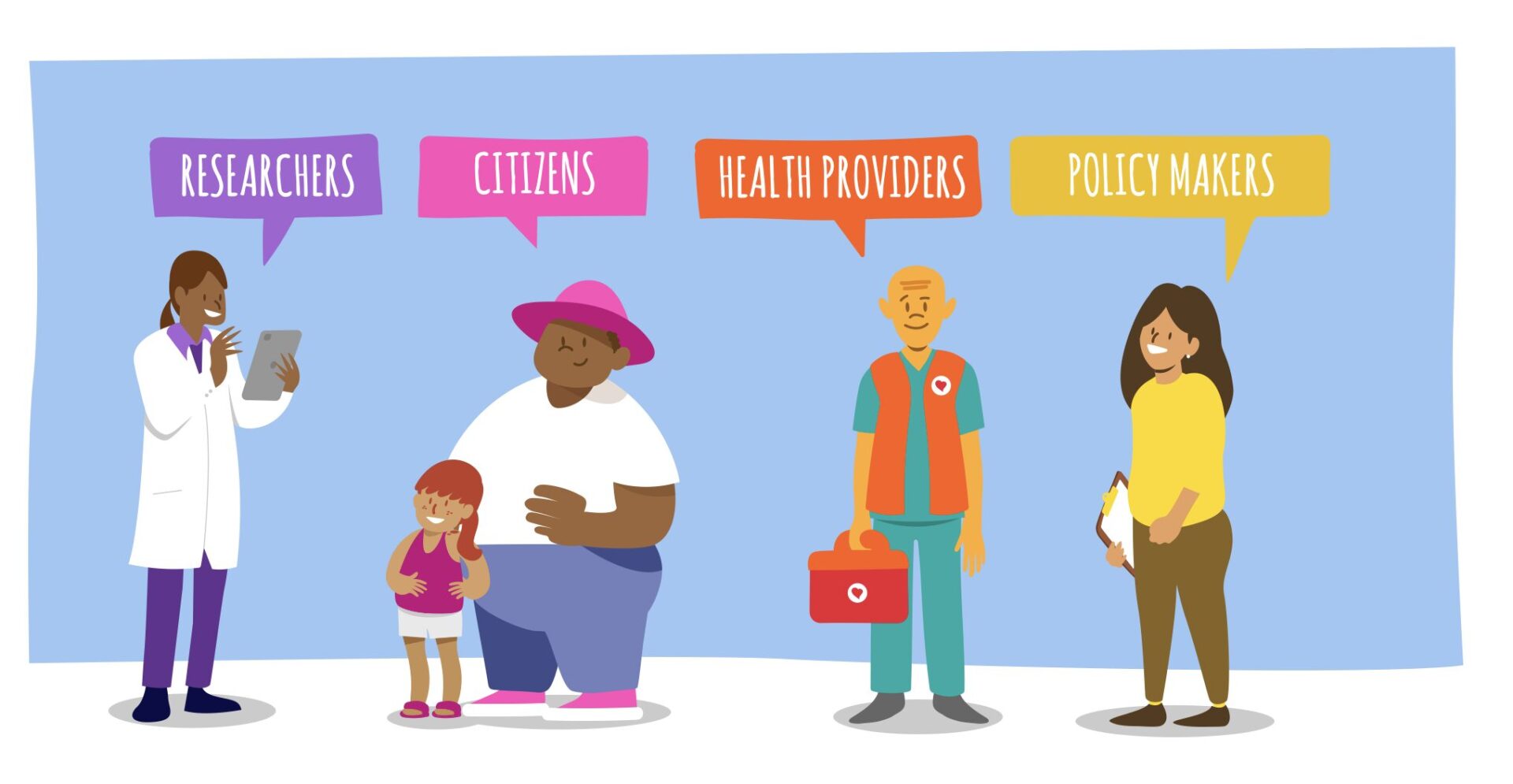
A structured look at the complex, poorly understood intersections between climate change, antimicrobial resistance, and the most vulnerable communities. More than a medical problem While antibiotics have saved hundreds of millions of lives, their extensive misuse over...

Data-Driven Approaches for Understanding and Advancing Urban Cycling

How can data help shape the future of cycling in our cities? PhD students Silke Kaiser and Carol Sobral, together with Professor Lynn Kaack at the Hertie School in Berlin, brought together researchers, policymakers and advocates for a workshop as part of the CATALYSE...

Working towards a Smart Net-Zero Healthcare System: Launch of “Climate Change Mitigation in the Catalan Health System” Report

How can we close the knowledge-to-action gap to accelerate climate change action & protect public health? This is one of the main questions the CATALYSE project is seeking to answer. To advance this objective, the UNESCO Chair in Life Cycle and Climate Change...

CATALYSE case study on the role of ‘health’ in Polish coal phase out discussions

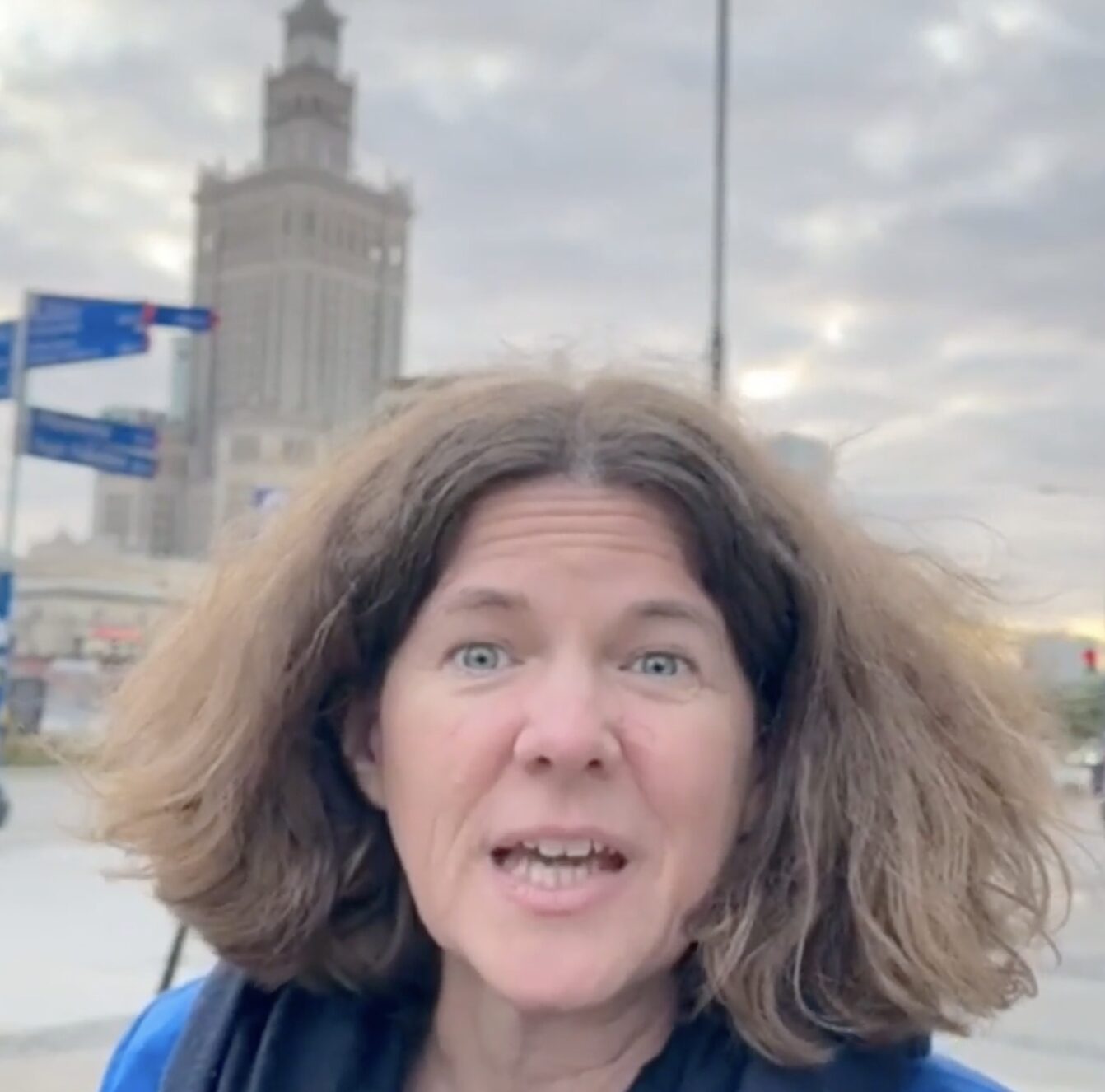
HEAL‘s Deputy Director, Anne Stauffer, discusses the health impacts of coal burning in Poland, and the current efforts being made to phase out usage:   [video width="1080" height="1440"...

From Awareness to Action: Communicating Climate–Health Resilience in a Changing Climate

TRIGGER’s Educational Materials: Co-creating Knowledge for Impact   The communication, dissemination and exploitation of TRIGGER’s results are designed to adapt to the needs of each user. This flexibility is both a strength and a challenge in the current climate...

We made a cartoon book about infectious diseases. Here’s why.

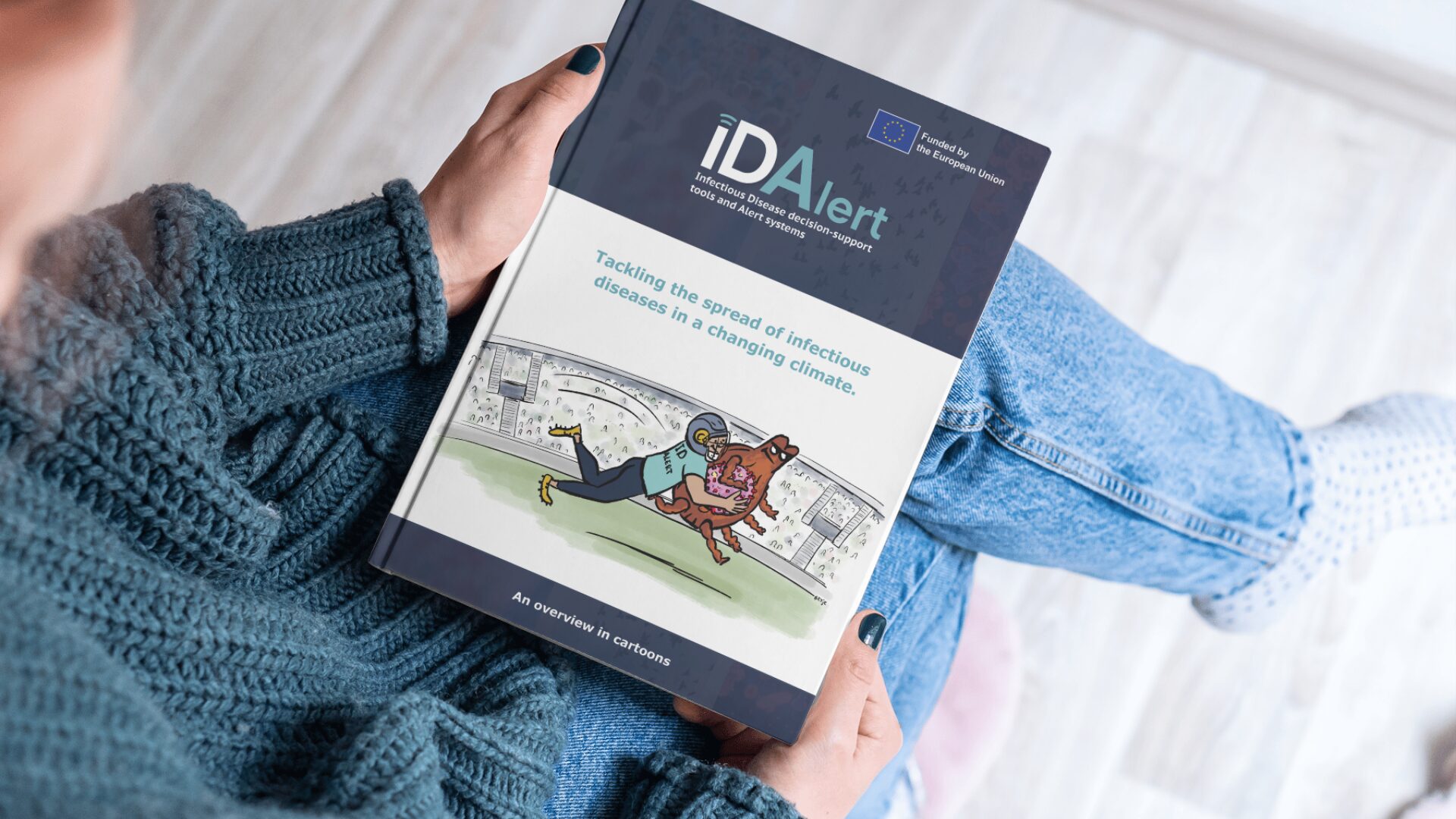
We made a cartoon book about infectious diseases. Here’s why. Climate change isn’t just about rising or receding seas and extreme weather. It’s also changing which diseases can reach us and where. As Europe gets warmer, mosquitoes, ticks, and sandflies are spreading...

Sand Flies: A Dangerous Insect on a Changing Planet

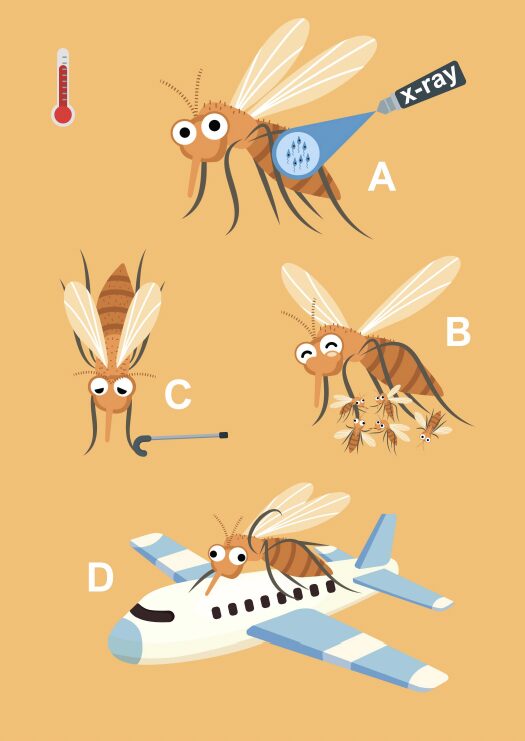
Sand Flies: A Dangerous Insect on a Changing Planet An article for Frontiers for Young Minds     The CLIMOS project, as part of the European Climate-Health Cluster, has contributed to an article about sand flies published in Frontiers for Young Minds. This...

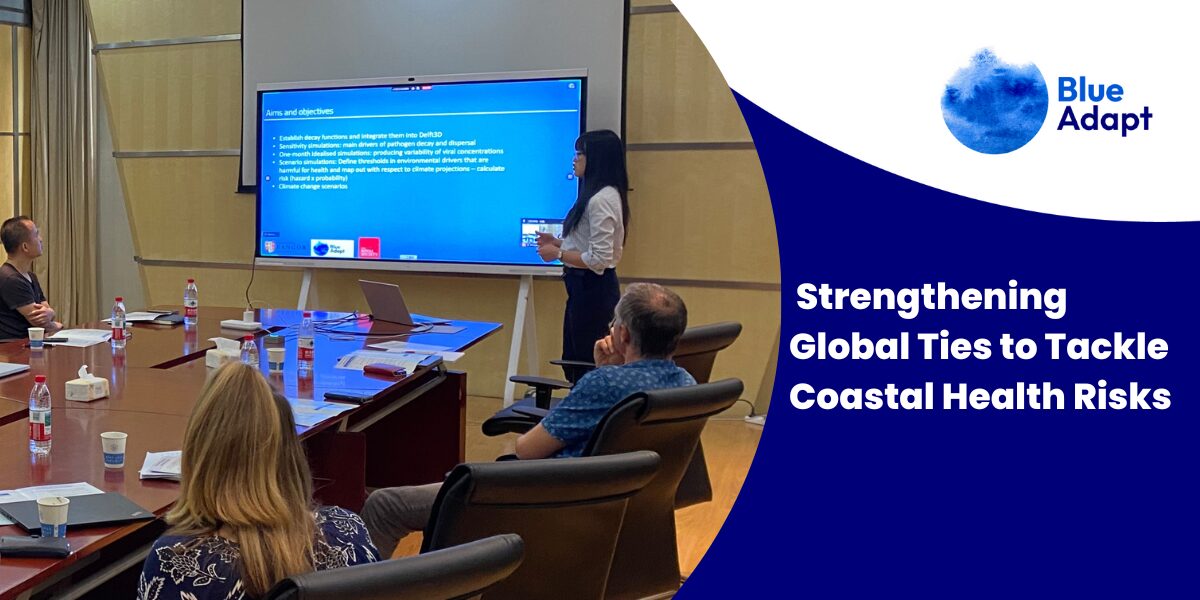
Strengthening Global Ties to Tackle Coastal Health Risks

As a leading scientific partner in BlueAdapt, Bangor University contributes essential expertise on how climate change is transforming coastal environments — and what this means for public health. This year, a team from Bangor travelled to China to participate in an...

New model improves accuracy for safer bathing waters

A powerful tool for predicting risks A new study led by BlueAdapt researcher Hao Wang (Deltares, Netherlands) shows that accounting for sunlight exposure and sediment interactions significantly improves predictions of harmful contamination in bathing waters. The...

Uncoping: Insights from urban heat exposure during and after pregnancy

By Martins Iyekekpolor   It’s hot. The weather forecast says 34°C, but in the densely populated urban township of Mamelodi in the Tshwane District of South Africa, it feels even hotter. There are few trees, almost no shade, and the sun presses down on corrugated...

Antimicrobial Resistance, Climate Change, and Vulnerability

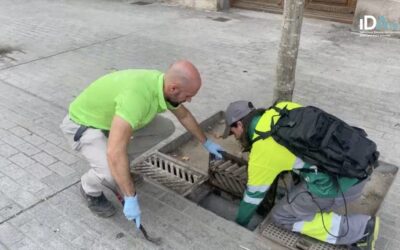
A structured look at the complex, poorly understood intersections between climate change, antimicrobial resistance, and the most vulnerable communities. More than a medical problem While antibiotics have saved hundreds of millions of lives, their extensive misuse over...

Data-Driven Approaches for Understanding and Advancing Urban Cycling

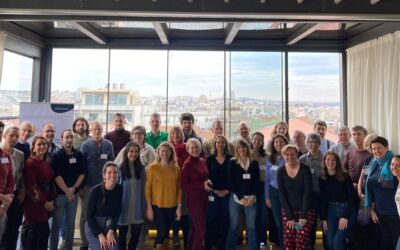
How can data help shape the future of cycling in our cities? PhD students Silke Kaiser and Carol Sobral, together with Professor Lynn Kaack at the Hertie School in Berlin, brought together researchers, policymakers and advocates for a workshop as part of the CATALYSE...

Working towards a Smart Net-Zero Healthcare System: Launch of “Climate Change Mitigation in the Catalan Health System” Report

How can we close the knowledge-to-action gap to accelerate climate change action & protect public health? This is one of the main questions the CATALYSE project is seeking to answer. To advance this objective, the UNESCO Chair in Life Cycle and Climate Change...

CATALYSE case study on the role of ‘health’ in Polish coal phase out discussions

HEAL‘s Deputy Director, Anne Stauffer, discusses the health impacts of coal burning in Poland, and the current efforts being made to phase out usage:   [video width="1080" height="1440"...

From Awareness to Action: Communicating Climate–Health Resilience in a Changing Climate

TRIGGER’s Educational Materials: Co-creating Knowledge for Impact   The communication, dissemination and exploitation of TRIGGER’s results are designed to adapt to the needs of each user. This flexibility is both a strength and a challenge in the current climate...

We made a cartoon book about infectious diseases. Here’s why.

We made a cartoon book about infectious diseases. Here’s why. Climate change isn’t just about rising or receding seas and extreme weather. It’s also changing which diseases can reach us and where. As Europe gets warmer, mosquitoes, ticks, and sandflies are spreading...

Sand Flies: A Dangerous Insect on a Changing Planet

Sand Flies: A Dangerous Insect on a Changing Planet An article for Frontiers for Young Minds     The CLIMOS project, as part of the European Climate-Health Cluster, has contributed to an article about sand flies published in Frontiers for Young Minds. This...

Strengthening Global Ties to Tackle Coastal Health Risks

As a leading scientific partner in BlueAdapt, Bangor University contributes essential expertise on how climate change is transforming coastal environments — and what this means for public health. This year, a team from Bangor travelled to China to participate in an...

New model improves accuracy for safer bathing waters

A powerful tool for predicting risks A new study led by BlueAdapt researcher Hao Wang (Deltares, Netherlands) shows that accounting for sunlight exposure and sediment interactions significantly improves predictions of harmful contamination in bathing waters. The...

Uncoping: Insights from urban heat exposure during and after pregnancy

By Martins Iyekekpolor   It’s hot. The weather forecast says 34°C, but in the densely populated urban township of Mamelodi in the Tshwane District of South Africa, it feels even hotter. There are few trees, almost no shade, and the sun presses down on corrugated...
Navigating the Frontiers of Indoor Environmental Quality and Health

Navigating the Frontiers of Indoor Environmental Quality and Health

In September of last year, the 35th annual conference of the International Society for Environmental Epidemiology (ISEE 2023) convened in the vibrant city of Kaohsiung, Taiwan. This global gathering brought together researchers, scholars, and practitioners from around the world to delve into the latest advancements in environmental exposure science and epidemiology.
read more
Forests as a nature-based solution for improved human health in a changing climate

Forests as a nature-based solution for improved human health in a changing climate

Ecosystem services are integrated in the relatively recent concept of nature-based solutions (NbS), a concept that is now incorporated in key intergovernmental agreements across Europe. The International Union for Conservation of Nature defines NbS as “actions to protect, sustainably manage, and restore natural and modified ecosystems that address societal challenges effectively and adaptively, simultaneously benefiting people and nature”.
read more
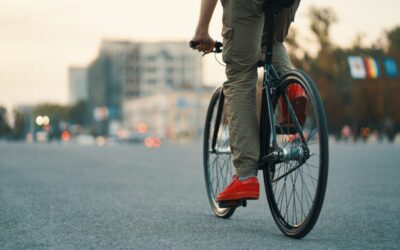
Pedalling Towards a Greener Future: The Impact of Cycling and Active Transport on Climate Change and Public Health

Pedalling Towards a Greener Future: The Impact of Cycling and Active Transport on Climate Change and Public Health

As the urgency of addressing climate change intensifies, the ongoing shift towards a sustainable future has brought various sectors, including transportation, into the spotlight. Yet, this subject remains delicately sensitive, as it directly influences the daily choices of countless citizens. In many bustling metropolises, passionate debates have arisen about the equitable distribution of public space among different road users.

read more
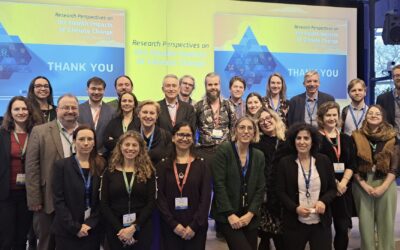
Climate Variability Drives Changes in Sand Fly Distribution, Amplifying Leishmaniasis Risks

Climate Variability Drives Changes in Sand Fly Distribution, Amplifying Leishmaniasis Risks

Typically active during twilight hours, female sand flies primarily feed on mammalian blood, facilitating the transmission of viruses and parasites. These pathogens cause diseases such as summer meningitis and leishmaniasis, affecting humans and animals. Leishmaniasis, in particular, is classified as a neglected tropical disease by the World Health Organization, with an estimated 700,000 to 1 million new cases annually
read more
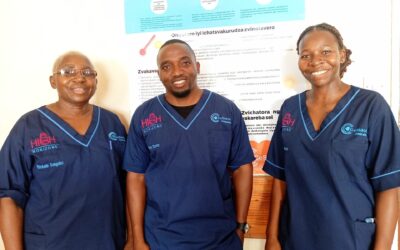
New breakthrough in wastewater monitoring.

New breakthrough in wastewater monitoring.

Evaluating the risk of infectious viruses in Europe’s coastal waters. BlueAdapt’s team of researchers from Bangor University have optimised a method to evaluate the risk of infectious viruses in wastewater, providing a crucial tool for protecting public health. Read...
read more
Privacy Overview

This website uses cookies so that we can provide you with the best user experience possible. Cookie information is stored in your browser and performs functions such as recognising you when you return to our website and helping our team to understand which sections of the website you find most interesting and useful.