
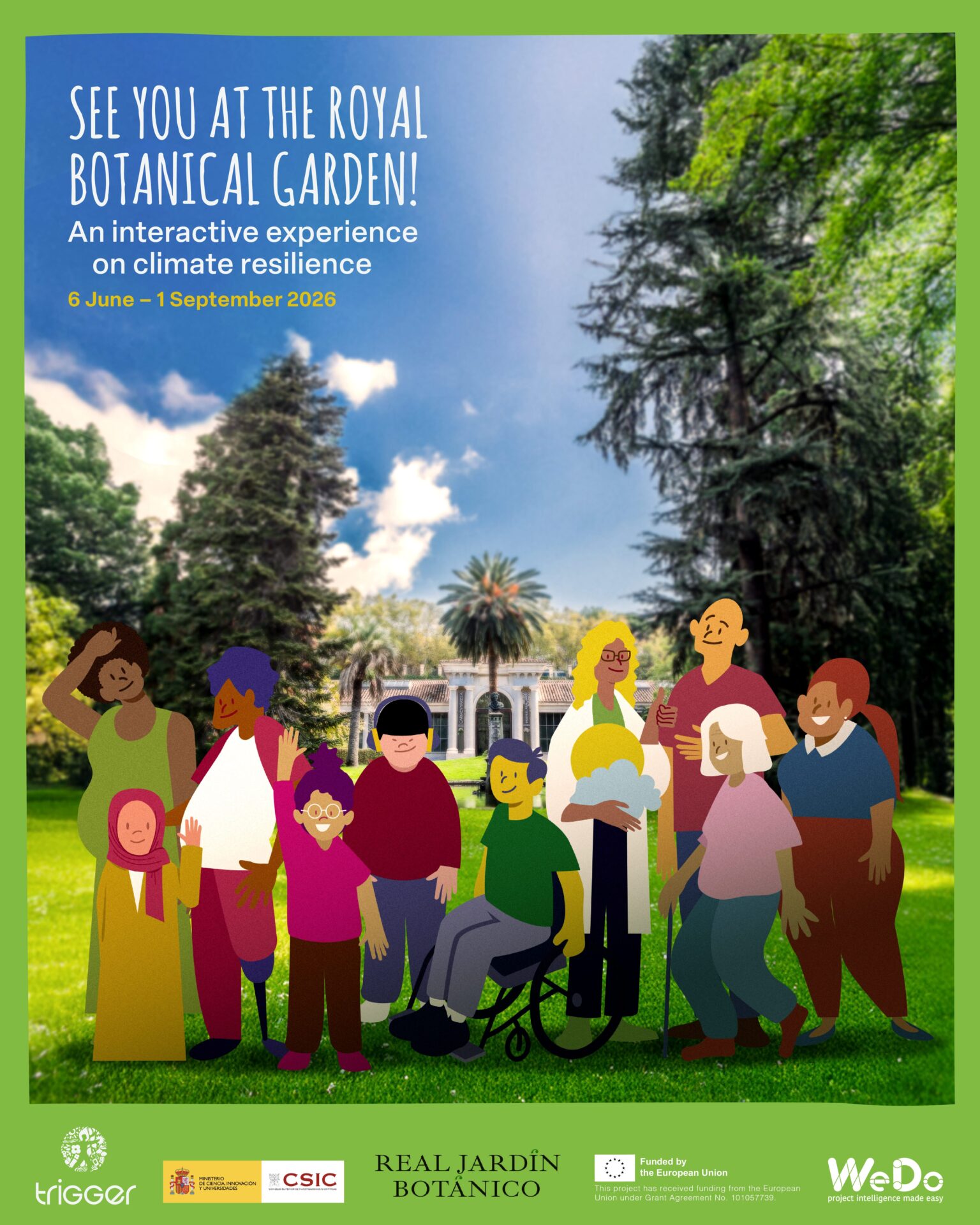

Hidden characters, clues and science: the new interactive experience launched at the Royal Botanical Garden-CSIC

  Ten characters inspired by European cities invited visitors to discover how climate change affects our health and our cities. On 5 June, to coincide with World Environment Day, the Real Jardín Botánico-CSIC unveiled ten special visitors hidden among its paths and...

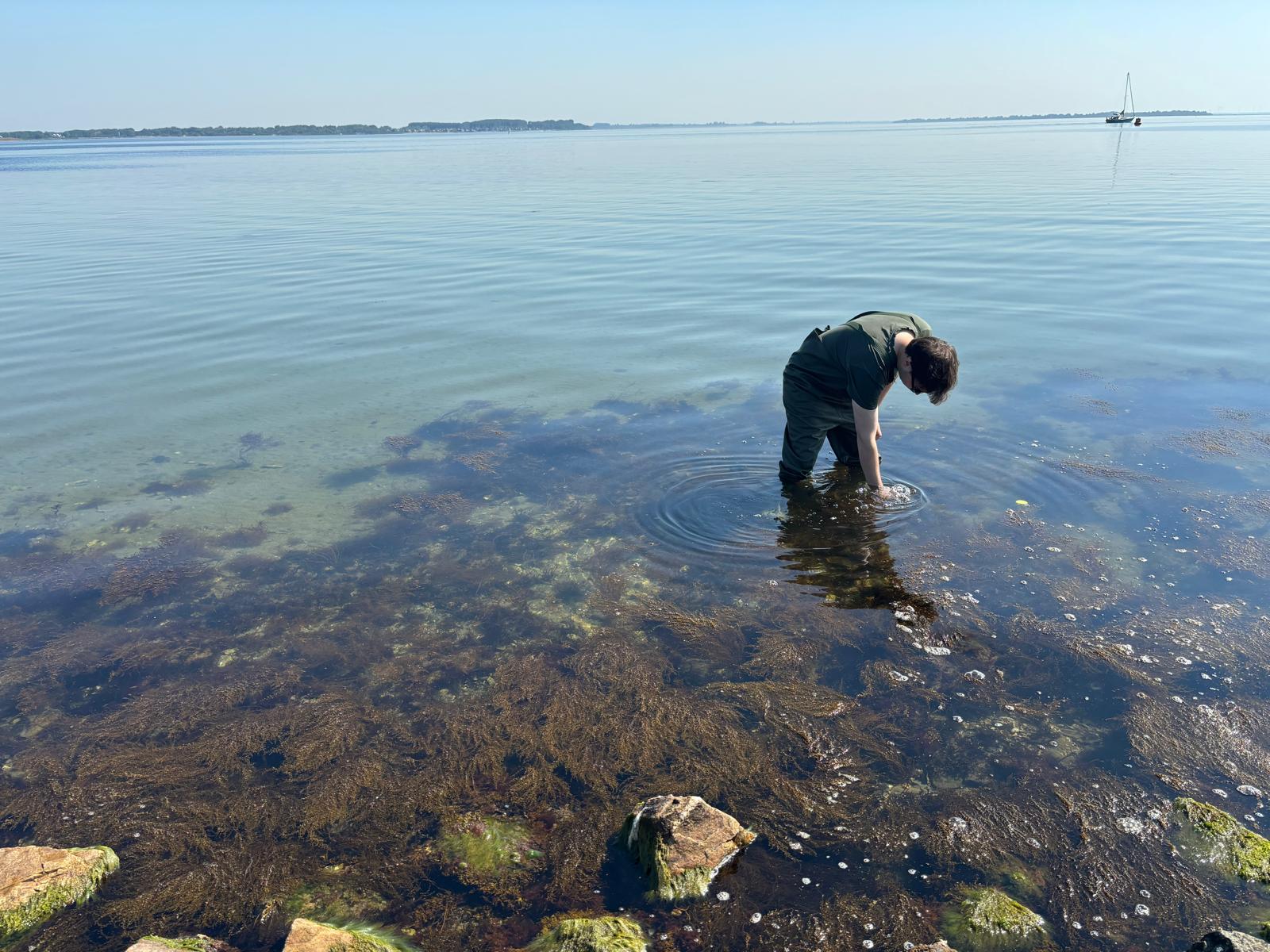
Staying safe in a changing ocean

Understanding waterborne infections Every summer, millions of people swim in coastal waters, but how many stop to think about what’s in them? Before BlueAdapt launches its new facts series, they explain what coastal pathogens are, where they lurk, how they impact our...

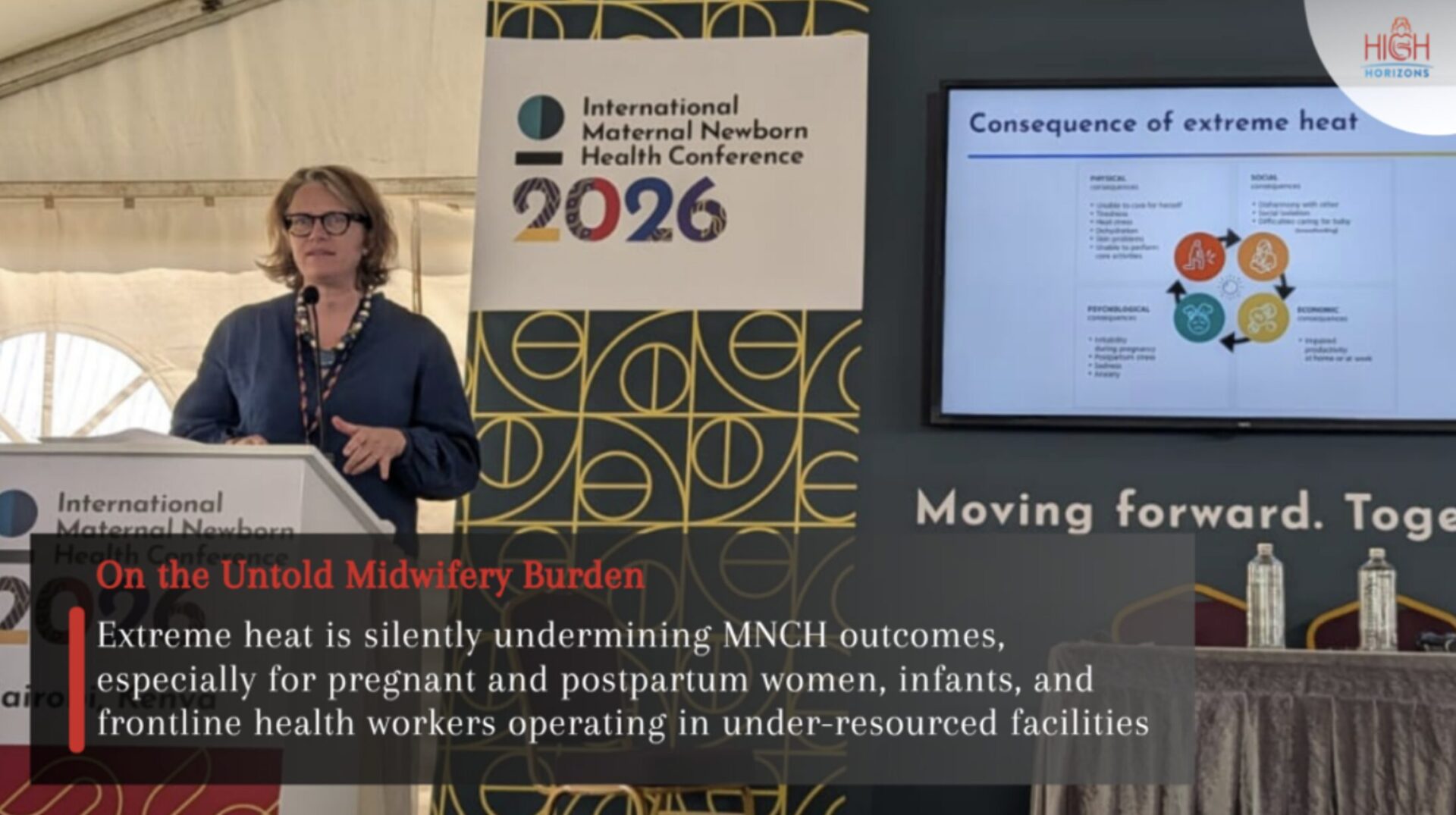
HIGH Horizons at IMNCH 2026

Extreme Heat and MNCH: Moving Forward with Priority Programme & Financing Actions The International Maternal Newborn Health Conference (IMNHC) 2026 brings together governments, civil society organizations, professional associations, and international partners from...

Advancing climate adaption through curiosity and connection

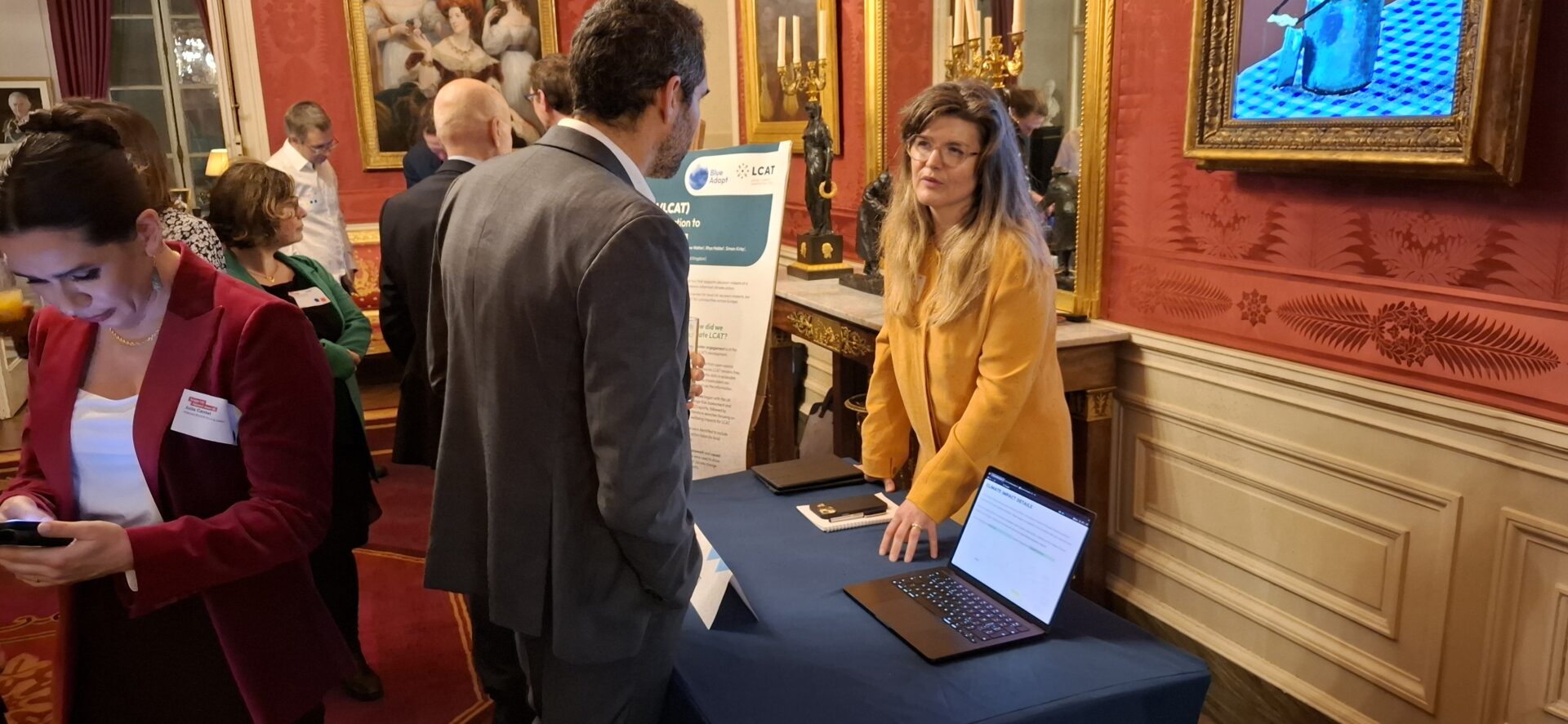
BlueAdapt asked Research Fellow Helen Underhill to share highlights from the team’s recent visit to Paris for the British Council’s Study UK Alumni Awards. Here’s her story:  Over the past few years, the Local Climate Adaptation Tool (LCAT) has steadily grown from a...

Advancing climate adaption through curiosity and connection

Taking LCAT to Paris: Connecting Climate Adaptation with Real‑World Action  BlueAdapt asked Research Fellow Helen Underhill to share highlights from the team’s recent visit to Paris for the British Council’s Study UK Alumni Awards. Here’s her story:  Over the past few...

Uneven Ground: New Policy Brief warns that climate change is deepening health inequalities across Europe

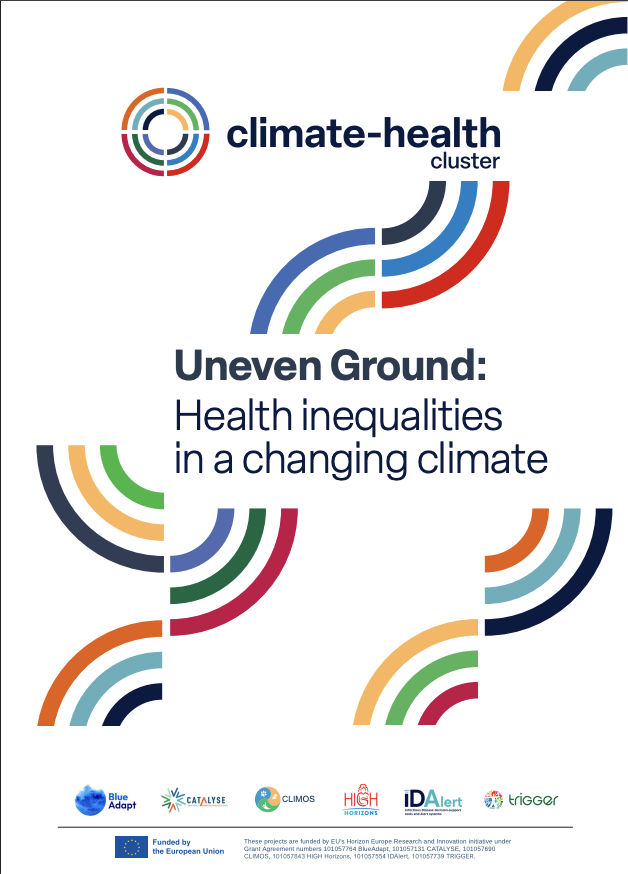
Climate change impacts are accelerating and so are the health risks. Yet some face far greater health risks than others. The European Climate-Health Cluster has released its second Policy Brief, Uneven Ground, to show these impacts through the lens of the most...

Antimicrobial Resistance, Climate Change, and Vulnerability

A structured look at the complex, poorly understood intersections between climate change, antimicrobial resistance, and the most vulnerable communities. More than a medical problem While antibiotics have saved hundreds of millions of lives, their extensive misuse over...

Data-Driven Approaches for Understanding and Advancing Urban Cycling

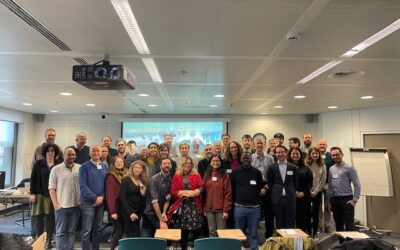
How can data help shape the future of cycling in our cities? PhD students Silke Kaiser and Carol Sobral, together with Professor Lynn Kaack at the Hertie School in Berlin, brought together researchers, policymakers and advocates for a workshop as part of the CATALYSE...

Working towards a Smart Net-Zero Healthcare System: Launch of “Climate Change Mitigation in the Catalan Health System” Report

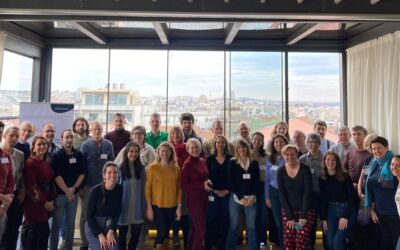
How can we close the knowledge-to-action gap to accelerate climate change action & protect public health? This is one of the main questions the CATALYSE project is seeking to answer. To advance this objective, the UNESCO Chair in Life Cycle and Climate Change...

CATALYSE case study on the role of ‘health’ in Polish coal phase out discussions

HEAL‘s Deputy Director, Anne Stauffer, discusses the health impacts of coal burning in Poland, and the current efforts being made to phase out usage:   [video width="1080" height="1440"...

Hidden characters, clues and science: the new interactive experience launched at the Royal Botanical Garden-CSIC

  Ten characters inspired by European cities invited visitors to discover how climate change affects our health and our cities. On 5 June, to coincide with World Environment Day, the Real Jardín Botánico-CSIC unveiled ten special visitors hidden among its paths and...

Staying safe in a changing ocean

Understanding waterborne infections Every summer, millions of people swim in coastal waters, but how many stop to think about what’s in them? Before BlueAdapt launches its new facts series, they explain what coastal pathogens are, where they lurk, how they impact our...

HIGH Horizons at IMNCH 2026

Extreme Heat and MNCH: Moving Forward with Priority Programme & Financing Actions The International Maternal Newborn Health Conference (IMNHC) 2026 brings together governments, civil society organizations, professional associations, and international partners from...

Advancing climate adaption through curiosity and connection

BlueAdapt asked Research Fellow Helen Underhill to share highlights from the team’s recent visit to Paris for the British Council’s Study UK Alumni Awards. Here’s her story:  Over the past few years, the Local Climate Adaptation Tool (LCAT) has steadily grown from a...

Advancing climate adaption through curiosity and connection

Taking LCAT to Paris: Connecting Climate Adaptation with Real‑World Action  BlueAdapt asked Research Fellow Helen Underhill to share highlights from the team’s recent visit to Paris for the British Council’s Study UK Alumni Awards. Here’s her story:  Over the past few...

Uneven Ground: New Policy Brief warns that climate change is deepening health inequalities across Europe

Climate change impacts are accelerating and so are the health risks. Yet some face far greater health risks than others. The European Climate-Health Cluster has released its second Policy Brief, Uneven Ground, to show these impacts through the lens of the most...

Antimicrobial Resistance, Climate Change, and Vulnerability

A structured look at the complex, poorly understood intersections between climate change, antimicrobial resistance, and the most vulnerable communities. More than a medical problem While antibiotics have saved hundreds of millions of lives, their extensive misuse over...

Data-Driven Approaches for Understanding and Advancing Urban Cycling

How can data help shape the future of cycling in our cities? PhD students Silke Kaiser and Carol Sobral, together with Professor Lynn Kaack at the Hertie School in Berlin, brought together researchers, policymakers and advocates for a workshop as part of the CATALYSE...

Working towards a Smart Net-Zero Healthcare System: Launch of “Climate Change Mitigation in the Catalan Health System” Report

How can we close the knowledge-to-action gap to accelerate climate change action & protect public health? This is one of the main questions the CATALYSE project is seeking to answer. To advance this objective, the UNESCO Chair in Life Cycle and Climate Change...

CATALYSE case study on the role of ‘health’ in Polish coal phase out discussions

HEAL‘s Deputy Director, Anne Stauffer, discusses the health impacts of coal burning in Poland, and the current efforts being made to phase out usage:   [video width="1080" height="1440"...
Pedalling Towards a Greener Future: The Impact of Cycling and Active Transport on Climate Change and Public Health

Pedalling Towards a Greener Future: The Impact of Cycling and Active Transport on Climate Change and Public Health

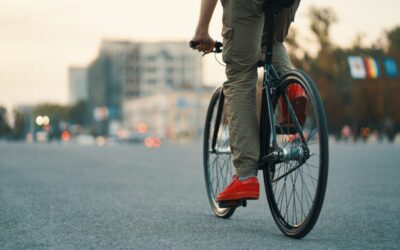
As the urgency of addressing climate change intensifies, the ongoing shift towards a sustainable future has brought various sectors, including transportation, into the spotlight. Yet, this subject remains delicately sensitive, as it directly influences the daily choices of countless citizens. In many bustling metropolises, passionate debates have arisen about the equitable distribution of public space among different road users.

read more
Climate Variability Drives Changes in Sand Fly Distribution, Amplifying Leishmaniasis Risks

Climate Variability Drives Changes in Sand Fly Distribution, Amplifying Leishmaniasis Risks

Typically active during twilight hours, female sand flies primarily feed on mammalian blood, facilitating the transmission of viruses and parasites. These pathogens cause diseases such as summer meningitis and leishmaniasis, affecting humans and animals. Leishmaniasis, in particular, is classified as a neglected tropical disease by the World Health Organization, with an estimated 700,000 to 1 million new cases annually
read more
New breakthrough in wastewater monitoring.

New breakthrough in wastewater monitoring.

Evaluating the risk of infectious viruses in Europe’s coastal waters. BlueAdapt’s team of researchers from Bangor University have optimised a method to evaluate the risk of infectious viruses in wastewater, providing a crucial tool for protecting public health. Read...
read more
Tracking pollution in the food chain

Tracking pollution in the food chain

The Bay of Biscay is home to popular holiday resorts – and it’s the source of the regional Basque staple, squid. What are the effects of pollution and pathogens on the squid? And what could be the broader impacts of this?

read more
Privacy Overview

This website uses cookies so that we can provide you with the best user experience possible. Cookie information is stored in your browser and performs functions such as recognising you when you return to our website and helping our team to understand which sections of the website you find most interesting and useful.